
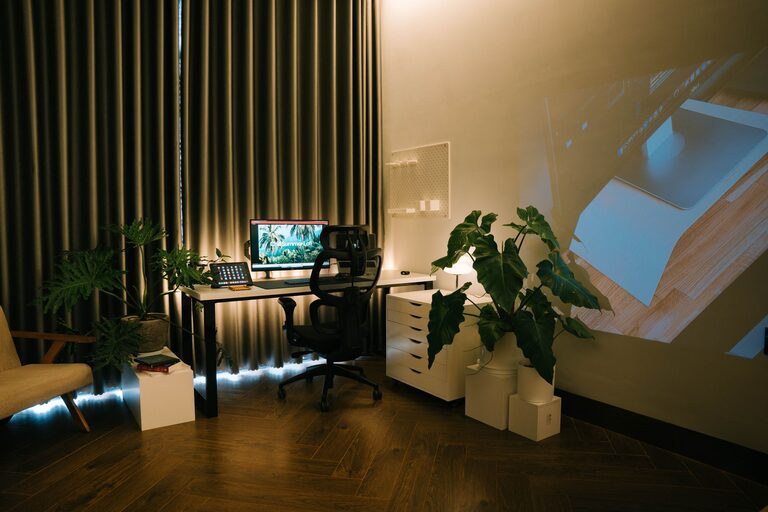
Creating a relaxing home workspace is essential for staying productive and maintaining well-being, especially if you spend a lot of time working from home. A well-designed workspace can help you stay focused, reduce stress, and make your daily routine more enjoyable. In this post, we’ll explore several practical steps and ideas to create a calming and efficient home office environment.
Why a Relaxing Workspace Matters
Your workspace influences how you feel and perform throughout the day. A cluttered or noisy area can cause distractions and increase stress, while a calm and organized space helps you concentrate and feel motivated. The goal is to create a spot that supports your work habits and promotes a sense of calm.
Choosing the Right Location
Find a Quiet Spot
Start by selecting a quiet area in your home. Avoid high-traffic zones like the kitchen or living room if possible. A corner of a bedroom, spare room, or even a nook near a window can be ideal.
Consider Natural Light
Natural light has a positive effect on mood and energy. Position your desk near a window to take advantage of daylight. If natural light is limited, choose bright, soft lighting that mimics daylight instead.
Setting Up Your Workspace
Invest in Comfortable Furniture
Comfort is key for long work sessions. Choose an ergonomic chair that supports your back and a desk at the right height. Adjustable furniture options can help you change positions easily.
Declutter and Organize
Keep your desk tidy by removing unnecessary items. Use drawer organizers, shelves, or storage boxes to store supplies. A clutter-free surface helps your mind stay clear and focused.
Personalizing Your Space
Add Calming Colors
Colors affect mood, so select soothing shades like soft blues, greens, or neutrals for your workspace. You can use these colors on walls, furniture, or accessories.
Incorporate Plants
Adding a few houseplants can improve air quality and add a touch of nature, which promotes relaxation. Choose low-maintenance plants like succulents, snake plants, or pothos.
Use Inspiring Decor
Include items that inspire you but don’t overwhelm the space. Framed prints, a vision board, or meaningful objects can personalize your area and keep you motivated.
Managing Noise and Distractions
Use Noise-Canceling Headphones
If outside noise is unavoidable, invest in noise-canceling headphones. They block distractions and can help you focus better.
Background Sounds
Some people work better with soft background sounds. Consider playing gentle music, white noise, or nature sounds to create a peaceful atmosphere.
Lighting Tips for Comfort
Layer Your Lighting
Combine ambient lighting (ceiling lights) with task lighting, such as desk lamps. Adjustable lamps reduce eye strain and improve visibility.
Avoid Harsh Light
Use soft, warm bulbs rather than harsh, bright lights. Position lights to prevent glare on your computer screen.
Establishing a Routine for Relaxation
Take Regular Breaks
Step away from your workspace regularly to stretch, walk around, or breathe deeply. Short breaks refresh your mind and reduce tension.
Practice Mindfulness
Incorporate short mindfulness exercises or deep-breathing techniques during breaks. This helps lower stress and maintain calm.
Keeping Your Workspace Healthy
Maintain Cleanliness
Dust and clean your workspace regularly. A clean environment supports physical and mental health.
Ensure Proper Ventilation
Fresh air keeps your space comfortable. Open windows or use air purifiers to keep the air fresh.
Final Thoughts
Creating a relaxing home workspace doesn’t require a complete makeover. Small changes, thoughtful organization, and attention to comfort can transform your work area into a peaceful and productive space. Prioritize what makes you feel calm and focused, and adjust your setup as your needs evolve. With the right environment, your home office can become a place where work feels less like a chore and more like a positive experience.
