
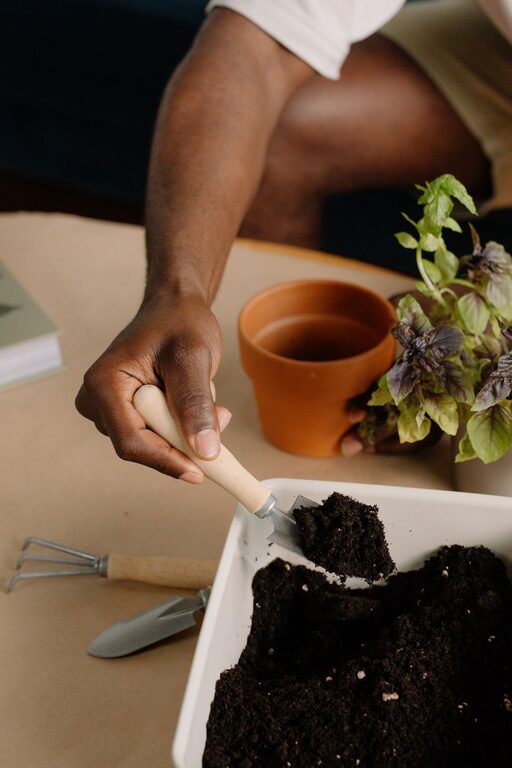
Starting a small herb garden indoors is a wonderful way to bring fresh flavors into your kitchen and add a touch of green to your living space. Whether you have a sunny windowsill or just a little countertop space, growing your own herbs can be both enjoyable and practical. This guide will help you create a thriving indoor herb garden step-by-step, even if you’ve never gardened before.
Why Grow Herbs Indoors?
Indoor herb gardening offers many benefits. Fresh herbs are always at your fingertips for cooking, teas, or garnishes. Growing your own also means you can avoid pesticides and know exactly what’s in your plants. Plus, caring for plants can be a relaxing hobby and improve your home’s air quality.
Choosing the Right Herbs
Not all herbs are equally suited for indoor growing. Some thrive better inside due to their light and space needs. Here are some beginner-friendly herbs ideal for indoor gardens:
– Basil: Needs bright light and regular watering
– Parsley: Tolerates moderate light, likes moist soil
– Chives: Easy to grow, prefers sunny spots
– Mint: Grows quickly, but can be invasive—best in its own pot
– Thyme: Requires bright light and well-drained soil
– Oregano: Enjoys sun and well-drained soil
Starting with these herbs increases your chance of success.
What You’ll Need to Get Started
Before you begin, gather the following supplies:
– Containers: Choose pots with drainage holes to prevent waterlogging
– Potting soil: Use a light, well-draining potting mix designed for herbs or indoor plants
– Seeds or seedlings: Seeds are more economical, but seedlings grow faster
– Watering can: Small size for easy watering
– Labels: To keep track of different herbs
– Grow light (optional): Helpful if your natural light is limited
Step-by-Step Guide to Setting Up Your Indoor Herb Garden
1. Select the Perfect Location
Most herbs need about 6 hours of sunlight daily. A south-facing window is ideal. If you don’t have enough natural light, consider using a grow light set on a timer for 10-12 hours per day.
2. Choose Your Containers and Soil
Pick pots that suit your space—small to medium sizes work well for herbs. Ensure good drainage by using pots with holes or adding a layer of gravel at the bottom. Fill with fresh potting soil, avoiding garden soil which may be too heavy and may carry pests.
3. Plant Your Herbs
If using seeds, follow the packet instructions for depth and spacing. Keep the soil moist but not waterlogged until seeds sprout. For seedlings, gently loosen roots before planting. Space herbs so they have room to grow without crowding.
4. Water Properly
Herbs generally prefer slightly moist soil but dislike sitting in water. Water when the top inch of soil feels dry to the touch. Use room-temperature water to avoid shocking the plants.
5. Feed Your Plants
Indoor herbs can benefit from occasional feeding. Use a balanced, water-soluble fertilizer every 4-6 weeks during the growing season, but be careful not to over-fertilize, which can cause poor flavor development.
6. Maintain Your Herb Garden
Remove dead or yellow leaves regularly to keep plants healthy. Pinch back growing tips to encourage bushier growth and prevent herbs from flowering too early. Rotate pots occasionally to ensure even light exposure.
Tips for Successful Indoor Herb Gardening
– Monitor humidity: Indoor air can be dry, especially in winter. Mist your plants occasionally or place a small humidifier nearby.
– Watch for pests: Check leaves for signs of pests like aphids or spider mites and treat promptly with insecticidal soap if needed.
– Harvest regularly: Frequent harvesting encourages new growth. Use scissors to snip herbs rather than pulling leaves off.
– Keep a journal: Track watering schedules, growth progress, and any issues you notice for continual improvement.
Troubleshooting Common Problems
– Yellowing leaves: Often a sign of overwatering or poor drainage.
– Leggy plants: Usually caused by insufficient light.
– Wilting: Could indicate underwatering or root problems.
– Slow growth: May need more light, nutrients, or temperature adjustments.
Enjoying Your Indoor Herb Garden
Once established, your indoor herb garden will provide fresh ingredients for cooking, fragrant additions for your home, and a satisfying gardening experience year-round. Try using your home-grown herbs in recipes, homemade teas, or as gifts for friends and family.
Growing herbs indoors doesn’t require a lot of space or time. With a little care and patience, you can enjoy the benefits of a vibrant, fresh herb garden no matter the season. Happy gardening!
